When you're running a café or just trying to enjoy a perfect cup of coffee at home, consistency is key. But did you know that the local climate, especially in Pakistan, plays a big role in how your coffee machine performs?
In this guide, we’ll show you how to calibrate your coffee machine to deliver delicious, consistent coffee, no matter where you are in Pakistan.
Calibrating your coffee machine is a process that ensures it consistently brews the perfect cup of coffee. Whether you're serving customers in the heart of Karachi or brewing at home in the cool hills of Murree, calibration is essential for consistency.
The weather in Pakistan can be unpredictable, and calibration helps your coffee machine perform well in all conditions.
From the scorching heat of Lahore to the chilly weather in the northern regions, the varying temperatures and humidity levels can affect how your coffee machine operates. This makes it important to adjust your machine’s settings to ensure every cup tastes just as it should.
In Pakistan, temperatures can vary greatly, affecting the brewing process. High temperatures can cause machines to overheat, while humidity can alter grind consistency and pressure. Both of these factors affect the flavor and quality of your coffee. Calibrating your machine helps adjust for these variables, ensuring every brew is consistent, no matter the weather.
Consider Lahore’s intense summer heat—your coffee machine might overheat if not calibrated for higher temperatures. In contrast, northern areas like Swat experience cooler weather, which could affect how coffee beans are ground and extracted. Calibration is the key to ensuring your machine delivers a perfect brew, no matter where you're located in Pakistan.
For more information on commercial machines for culture, discover how different climates affect coffee machine performance.
When your coffee machine is calibrated correctly, it brews at the right temperature and pressure, resulting in consistent taste and aroma every time.
Small changes in brewing temperature or pressure can drastically alter the flavor of your coffee, making calibration a vital step for consistency.
For coffee shop owners, calibration ensures that customers get the same great taste each time they order. This boosts customer satisfaction and helps retain loyal patrons. It also reduces the likelihood of wasted coffee grounds and excess energy use, making your café more efficient.
Calibration not only ensures better taste but also helps extend the life of your coffee machine. A well-maintained machine will operate more efficiently and last longer, saving you money in the long run.
Before you begin calibrating your coffee machine, start by cleaning it thoroughly. A clean machine ensures accurate results. Also, check the water quality; poor water quality can affect the calibration process. It's best to use filtered water for consistent results.
Learn more about commercial coffee machines that are suitable for Pakistan's unique climate challenges.
The first step in calibration is adjusting the machine’s temperature. The ideal brewing temperature typically ranges between 90-96°C.
In hotter climates like Lahore, you may need to lower the temperature slightly to prevent overheating, while in cooler areas, slightly higher temperatures might be necessary for optimal extraction.
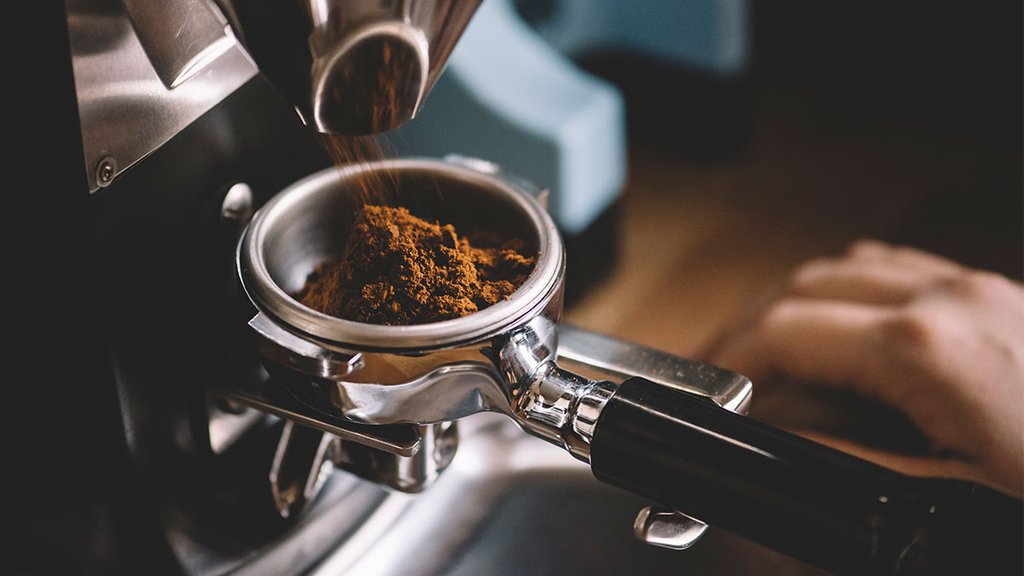
Grind size affects extraction time and consistency. Finer grinds work better in high-pressure systems, while coarse grinds are suitable for lower pressure systems.
Adjust the grind size according to the humidity level in your region. High humidity might cause the coffee to extract too quickly, so a coarser grind may help.
Once you’ve made your adjustments, it’s time to test. Brew a few cups and taste them. If they’re too bitter or weak, adjust the pressure and grind size until you achieve the desired flavor. This step is crucial for fine-tuning your machine.
In hot climates like Karachi, coffee machines may overheat, causing the coffee to taste burnt or overly bitter. On the other hand, high humidity levels can cause the coffee grounds to clump, which can impact the brewing process. Calibration helps solve these issues by adjusting the temperature and grind size.
If your coffee doesn’t taste as it should, don’t panic. A few adjustments can usually solve the problem. If your coffee is too bitter, consider lowering the brewing temperature slightly. If it’s too weak, a finer grind or higher pressure might be needed.
Calibration isn’t a one-time job. It’s essential to check your machine’s calibration regularly, especially when the weather changes. Regular maintenance and recalibration will ensure your machine continues to produce high-quality coffee.
Keep track of your machine’s performance. If you notice changes in the quality of your brews, it’s time to recalibrate. A simple daily log of temperature settings, grind sizes, and brewing times will help you maintain optimal calibration.
By understanding the role of temperature, humidity, and machine settings in brewing, you can calibrate your coffee machine to perfection.
Whether you're in the heat of Lahore or the cool valleys of Swat, calibration ensures that your coffee will always taste as good as it should. Follow these tips, and you’ll enjoy perfect brews every time.
Check out the best coffee machines in Pakistan and choose the right one for your café or home.